

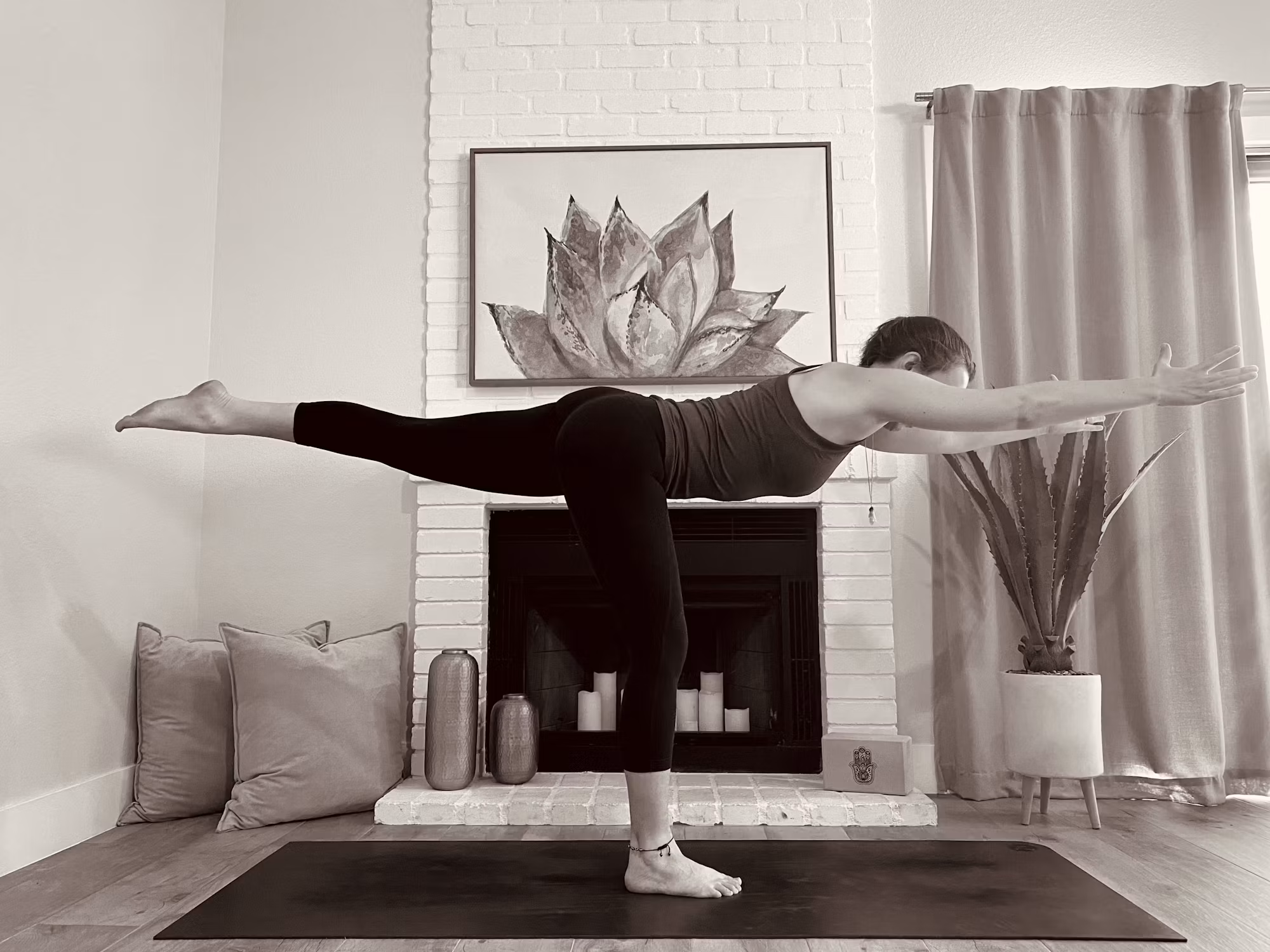

High-Intensity Interval Training (HIIT) has gained significant popularity in the fitness world, and for good reason. This dynamic workout method involves alternating between intense bursts of exercise and short periods of rest or lower-intensity activities. HIIT can be applied to a variety of exercises, from sprinting and cycling to bodyweight workouts and strength training. Its unique structure not only enhances cardiovascular fitness but also builds strength and promotes fat loss, making it a highly effective training strategy for individuals of all fitness levels. In this article, we will explore the principles of HIIT, its benefits, and practical ways to incorporate it into your fitness routine.\n\nUnderstanding HIIT\nHIIT workouts are characterized by their short duration and high intensity. Typically, a HIIT session lasts between 15 to 30 minutes, making it an efficient option for those with busy schedules. The key to HIIT is its work-to-rest ratio, which can vary depending on your fitness goals and experience level. For instance, a common ratio is 30 seconds of maximum effort followed by 30 seconds of rest, but this can be adjusted to suit individual needs.\n\nThe primary goal of HIIT is to push your body to its limits during the high-intensity intervals, which challenges your cardiovascular system and muscles. This type of training not only boosts your heart rate but also increases your metabolism, allowing your body to burn more calories even after the workout is complete—a phenomenon known as excess post-exercise oxygen consumption (EPOC).\n\nThe Benefits of HIIT\nHIIT offers a myriad of benefits, making it a favored choice for fitness enthusiasts. One of the most notable advantages is its time efficiency. Traditional workouts often require longer durations to achieve similar results, but HIIT allows you to maximize your efforts in a shorter timeframe. This makes it an ideal option for those juggling busy lives, as it can easily fit into any schedule.\n\nAnother significant benefit of HIIT is its effectiveness in burning fat. Studies have shown that HIIT can lead to greater fat loss compared to steady-state cardio, thanks to its ability to elevate the metabolic rate. This means that even after completing a HIIT workout, your body continues to burn calories as it recovers. Moreover, HIIT helps preserve lean muscle mass while promoting fat loss, a key factor in achieving a toned appearance.\n\nAdditionally, HIIT workouts improve cardiovascular fitness. By alternating between high-intensity and lower-intensity phases, you enhance both aerobic and anaerobic conditioning. This dual benefit helps improve your overall endurance, allowing you to perform better in both everyday activities and other forms of exercise.\n\nHIIT also promotes versatility and variety in workouts. Because it can be applied to various exercises and formats, it allows individuals to customize their routines based on personal preferences and fitness goals. Whether you enjoy running, cycling, or bodyweight exercises, you can easily adapt HIIT principles to suit your chosen activities.\n\nIncorporating HIIT into Your Routine\nTo get started with HIIT, it’s essential to establish a solid foundation of fitness. Beginners should begin with moderate-intensity workouts to build strength and endurance before diving into high-intensity intervals. Once you feel comfortable, consider incorporating HIIT sessions two to three times per week. Here are some practical tips for integrating HIIT into your fitness routine:\n\n1. Choose Your Exercises: Select exercises that you enjoy and that suit your fitness level. Common HIIT exercises include sprints, burpees, jump squats, kettlebell swings, and push-ups. You can mix and match these movements to create a well-rounded workout.\n\n2. Create a Structured Workout: Plan your workout by determining the duration of your high-intensity intervals and rest periods. For example, a simple HIIT workout could consist of 30 seconds of sprinting followed by 30 seconds of walking, repeated for 15-20 minutes.\n\n3. Warm Up and Cool Down: Always include a proper warm-up before starting your HIIT session to prepare your muscles and reduce the risk of injury. Similarly, cooling down afterward is crucial for aiding recovery and preventing muscle soreness.\n\n4. Listen to Your Body: Pay attention to how your body responds during and after workouts. If you’re feeling overly fatigued or experiencing discomfort, it’s essential to adjust the intensity or take additional rest days as needed.\n\n5. Track Your Progress: Keep a record of your workouts to monitor improvements over time. Tracking metrics such as duration, repetitions, and overall performance can help you stay motivated and set new goals.\n\nHIIT for Different Fitness Levels\nOne of the remarkable aspects of HIIT is its adaptability for various fitness levels. Beginners can start with low-impact exercises and gradually increase intensity as they build confidence and strength. For instance, instead of jumping, you can opt for step-ups or modified push-ups on your knees. As you progress, you can introduce more challenging movements and longer work intervals.\n\nFor advanced individuals, HIIT can be intensified through complex movements and increased resistance. Adding weights, incorporating plyometric exercises, or reducing rest intervals can elevate the challenge and keep workouts engaging.\n\nSafety Considerations\nWhile HIIT is a highly effective training method, it’s important to approach it safely. Begin with exercises that you’re familiar with to reduce the risk of injury. If you’re new to high-intensity training, consulting a fitness professional can provide guidance on proper form and technique. Additionally, ensure you’re adequately hydrated and have the right footwear to support your workouts.\n\nHIIT and Mental Well-Being\nBeyond its physical benefits, HIIT can have a positive impact on mental health. Engaging in high-intensity exercise releases endorphins, which are known as the body’s natural mood boosters. Many individuals report feeling a sense of accomplishment and euphoria following a HIIT workout, making it an effective way to manage stress and improve overall mood.\n\nThe focus and discipline required during HIIT can also foster a sense of mindfulness. By concentrating on your movements and breathing, you cultivate a greater awareness of your body and its capabilities. This mindful approach can lead to increased self-confidence and a more positive outlook on fitness.\n\nCreating a HIIT Community\nWorking out with others can enhance your HIIT experience. Consider joining a local fitness class or finding a workout buddy to share your HIIT journey. Group classes often provide motivation and camaraderie, making workouts more enjoyable and encouraging accountability.\n\nAdditionally, many online platforms offer virtual HIIT classes, allowing you to connect with instructors and fellow participants from the comfort of your home. These communities can provide inspiration and support as you progress in your fitness journey.\n\nConclusion\nHigh-Intensity Interval Training (HIIT) is a dynamic and effective workout method that offers numerous benefits for individuals of all fitness levels. Its time efficiency, fat-burning potential, and ability to improve cardiovascular fitness make it an appealing option for busy lifestyles. By incorporating HIIT into your routine, you can enhance your physical fitness while also reaping the mental health benefits associated with high-intensity exercise. Embrace the challenge of HIIT, and unlock your potential for a healthier, fitter you.
Exploring the Benefits of High-Intensity Interval Training (HIIT)