



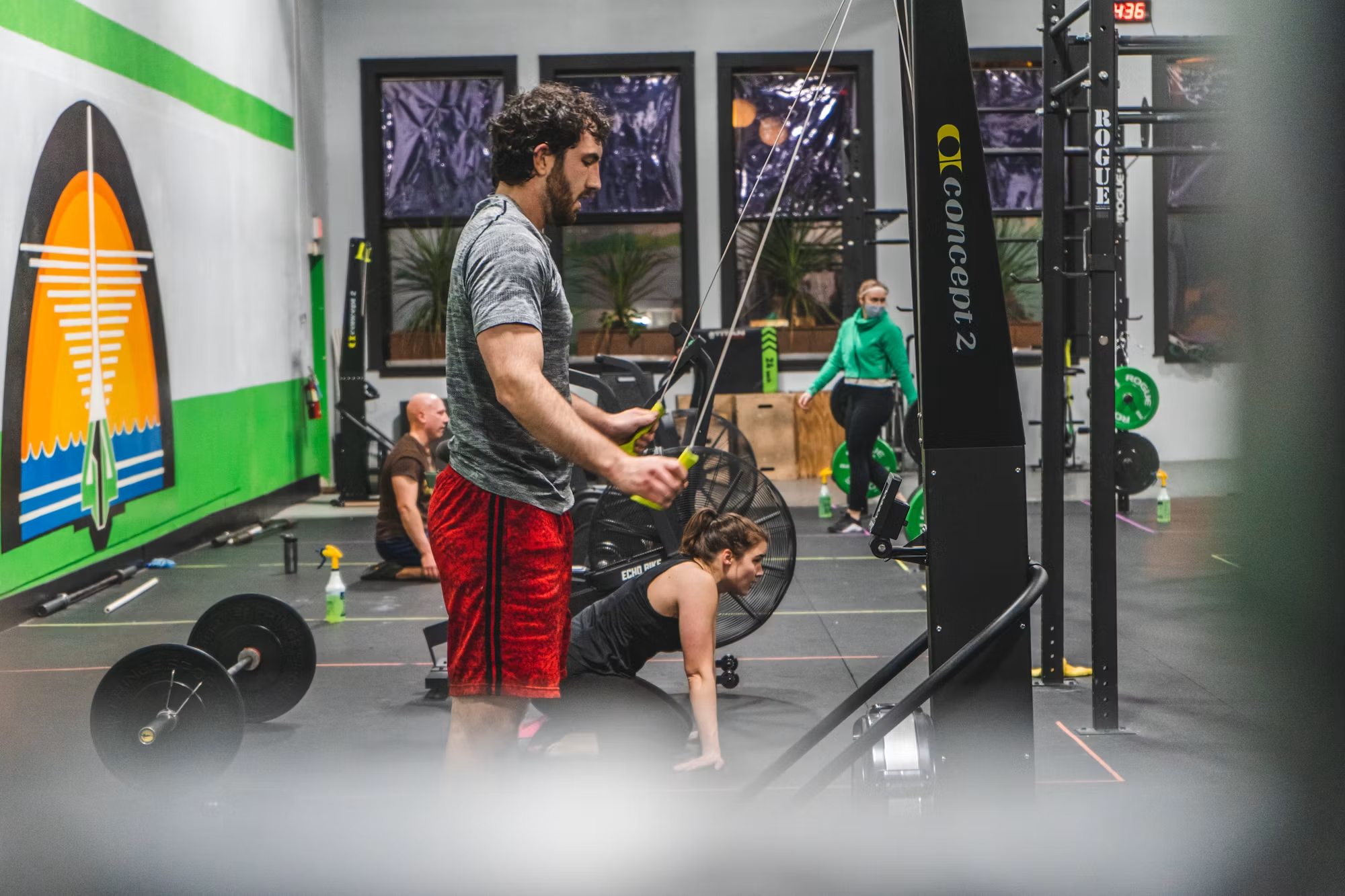
In recent years, the fitness landscape has undergone a remarkable transformation, particularly with the rise of virtual fitness. The convenience and accessibility of online workout programs and classes have revolutionized how individuals engage in fitness, making it easier for people to maintain an active lifestyle regardless of their location or schedule. This article delves into the various aspects of virtual fitness, examining its benefits, popular platforms, and its impact on the overall fitness industry.
The Evolution of Fitness Technology
The integration of technology into fitness is not a new concept, but the recent surge in virtual fitness options has significantly accelerated this trend. Prior to the digital boom, fitness enthusiasts primarily relied on local gyms, fitness classes, and personal trainers. However, as technology advanced, so did the ability to access high-quality workouts from the comfort of home.
Virtual fitness gained traction particularly during the global shift towards remote work and social distancing. With gyms temporarily closed, many individuals turned to online platforms for their fitness needs, sparking a new wave of innovation in workout delivery. This evolution has not only made fitness more accessible but has also encouraged a broader audience to engage in physical activity.
Benefits of Virtual Fitness
One of the most significant advantages of virtual fitness is its convenience. With just a few clicks, individuals can access a wide range of workout options tailored to their specific needs and preferences. This level of accessibility eliminates many barriers to fitness, such as travel time and scheduling conflicts. Whether someone prefers an intense HIIT session, a calming yoga class, or strength training, there is likely an online option available.
Additionally, virtual fitness platforms often provide the flexibility to workout at any time, catering to varying schedules. This can be particularly beneficial for busy professionals, parents, or anyone with a packed agenda. Members can choose to participate in live classes or opt for on-demand sessions that fit their routines, allowing for a personalized fitness experience.
Moreover, virtual fitness promotes inclusivity by offering options for different fitness levels, interests, and backgrounds. Many platforms provide specialized classes, catering to beginners, intermediates, and advanced athletes alike. This inclusivity encourages individuals to explore various fitness modalities without the intimidation sometimes felt in traditional gym settings.
Popular Virtual Fitness Platforms
As the demand for virtual fitness grows, numerous platforms have emerged to cater to this new market. Some of the most popular options include:
1. Peloton
Peloton has become a household name in the fitness industry, primarily known for its stationary bikes. However, the platform has expanded to offer a wide range of classes, including running, strength training, yoga, and meditation. The interactive nature of Peloton allows users to compete with others, track their progress, and engage with a vibrant community.
2. Beachbody On Demand
Beachbody On Demand provides a vast library of workout programs led by renowned fitness trainers. The platform features a variety of styles, from dance-based workouts to strength training and even nutritional guidance. This comprehensive approach helps users create well-rounded fitness routines.
3. Daily Burn
Daily Burn offers a personalized fitness experience by tailoring workouts based on individual goals and preferences. The platform features a diverse range of classes, including cardio, yoga, and strength training, with new workouts added regularly to keep users engaged.
4. Zwift
Zwift combines fitness with gaming, offering an interactive cycling and running platform where users can compete in virtual worlds. This gamification of fitness provides a unique and engaging way to stay active, appealing to competitive individuals and casual users alike.
5. YouTube and Social Media Influencers
Beyond dedicated platforms, many fitness enthusiasts have turned to YouTube and social media for free workout content. Influencers and trainers share a plethora of classes, tutorials, and tips that anyone can access, further broadening the virtual fitness landscape.
The Impact on Traditional Gyms
While virtual fitness has gained immense popularity, traditional gyms have had to adapt to this changing landscape. Many gyms have incorporated virtual options into their offerings, such as live-streamed classes or hybrid models that combine in-person and online workouts. This evolution allows gyms to cater to a wider audience and keep their members engaged, even when they cannot attend in person.
Furthermore, some fitness centers have begun to embrace technology by enhancing their facilities with advanced equipment that integrates with virtual platforms. This allows members to experience the best of both worlds—accessing the energy of in-person classes while benefiting from the flexibility of virtual workouts.
Challenges of Virtual Fitness
Despite its many benefits, virtual fitness is not without challenges. One common concern is the lack of personalized feedback that comes with in-person training. While many platforms offer live classes, the ability to receive immediate correction or guidance from a trainer is often missing in a virtual setting.
Additionally, the motivation to work out at home can vary greatly among individuals. Some people thrive in a home environment, while others may struggle with distractions or a lack of accountability. To address this, many virtual fitness platforms encourage community engagement through social features, such as challenges or group workouts, to help keep users motivated.
The Future of Virtual Fitness
As we look ahead, it is clear that virtual fitness is here to stay. The convenience, variety, and accessibility it offers have reshaped how people approach their fitness journeys. With continued advancements in technology, we can expect to see even more innovative features and experiences emerging in the virtual fitness space.
The integration of augmented reality (AR) and virtual reality (VR) technologies may further enhance the user experience, allowing individuals to participate in immersive workouts that replicate the atmosphere of a live class. Additionally, the ongoing development of artificial intelligence (AI) could enable more personalized training plans and real-time feedback, bridging the gap between virtual and in-person training.
Conclusion
The rise of virtual fitness has undeniably transformed the health and wellness industry, providing individuals with unprecedented access to a wide range of workout options. As technology continues to evolve, so too will the ways in which we engage with fitness. By embracing the flexibility and diversity that virtual platforms offer, we can cultivate a more inclusive and accessible fitness culture that encourages everyone to prioritize their health and well-being.