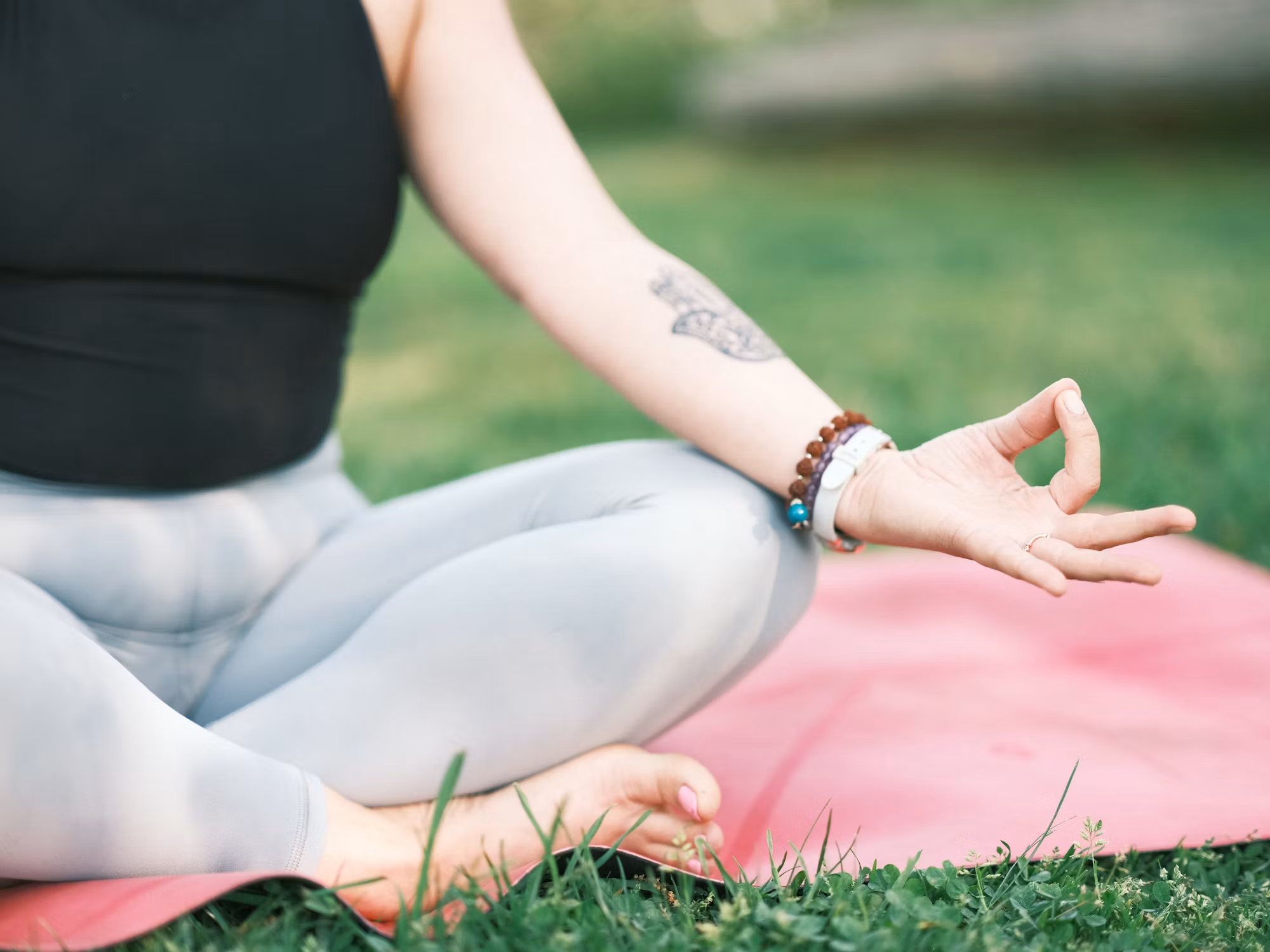

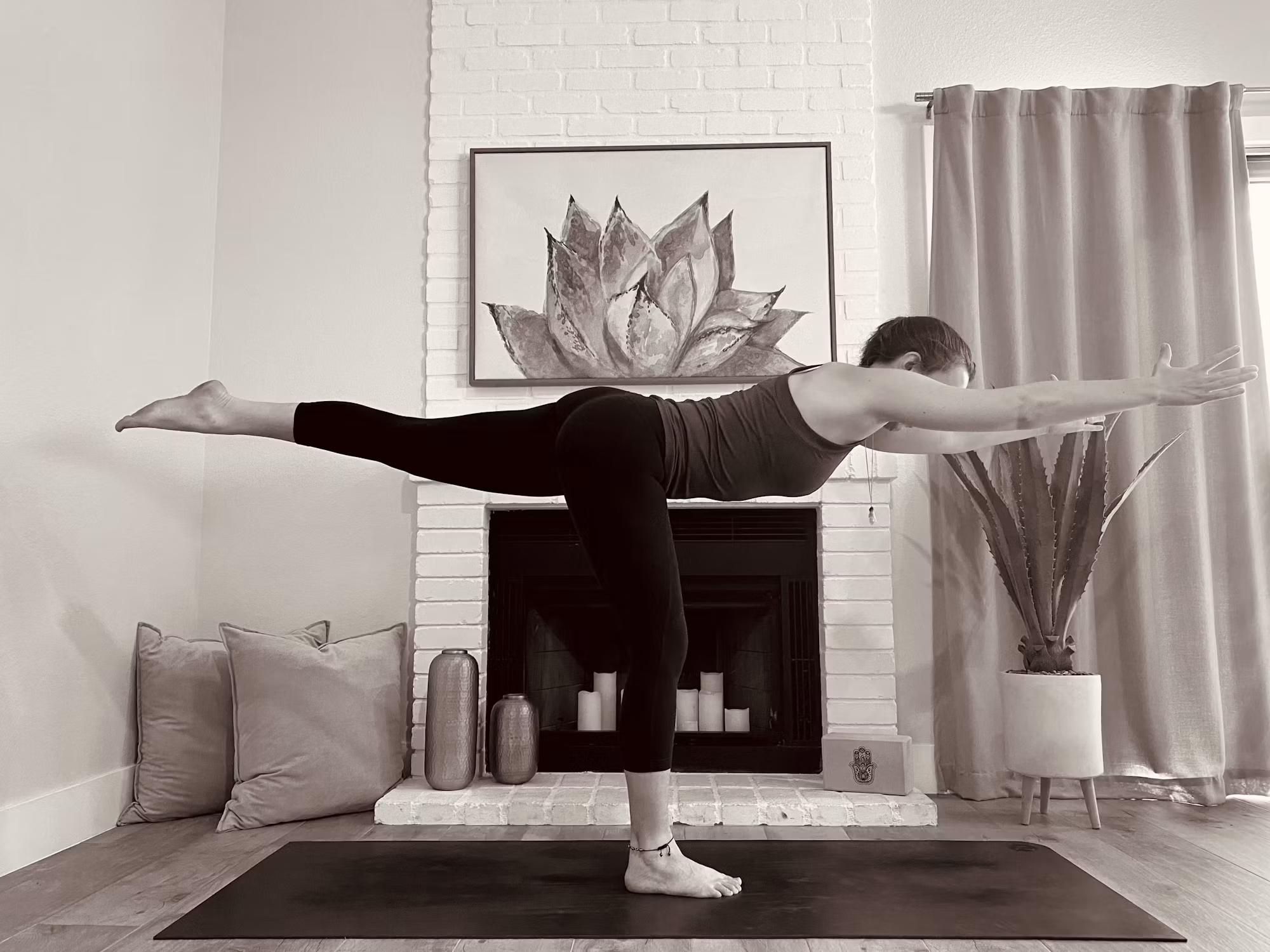

In a world that often demands more from us than we feel we can give, the practice of letting go becomes essential for our emotional and physical well-being. Yoga, with its holistic approach, offers powerful tools to help individuals release tension, stress, and negative emotions, allowing for renewal and personal growth. This article examines the art of letting go through the lens of yoga, highlighting specific practices that facilitate this transformative process. The concept of letting go is multifaceted, encompassing emotional release, physical tension relief, and mental clarity. In yoga, this idea is often intertwined with the breath. Breath is a central component of yoga practice, acting as a bridge between the mind and body. By focusing on the breath, practitioners can create space for release, allowing them to let go of what no longer serves them. This connection becomes especially apparent in restorative practices, where slow, intentional breathing encourages a state of relaxation that fosters emotional and physical release. One of the most effective ways to embrace the art of letting go in yoga is through mindful movement. Each asana, or pose, provides an opportunity to explore the sensations within the body and identify areas of tension. For instance, poses such as Forward Fold or Child’s Pose allow practitioners to physically release stress and strain. When we fold forward, we can visualize letting go of our burdens, creating a sense of surrender that is both liberating and healing. This physical release is often accompanied by emotional catharsis, as individuals may find themselves processing feelings that arise during practice. Additionally, the practice of Yin Yoga is particularly well-suited for those seeking to cultivate the art of letting go. Yin Yoga emphasizes long-held poses that target the connective tissues and promote deep relaxation. As practitioners hold poses for several minutes, they are encouraged to breathe into areas of tension and discomfort. This practice fosters an awareness of sensations in the body, inviting individuals to acknowledge their feelings without judgment. By leaning into discomfort, practitioners can experience a profound release, allowing them to let go of emotional baggage that may have been held for far too long. The concept of non-attachment, or ‘aparigraha,’ is another integral part of the yoga philosophy that supports the practice of letting go. Non-attachment encourages individuals to release their grip on outcomes and expectations, fostering a sense of freedom. This principle is particularly valuable in a world that often promotes a culture of striving and achievement. By embracing non-attachment, individuals can learn to appreciate the present moment without clinging to past experiences or future anxieties. This shift in mindset can lead to a deeper sense of contentment and joy, as practitioners learn to find fulfillment within themselves rather than seeking validation externally. Another aspect of yoga that promotes letting go is the incorporation of meditation and mindfulness practices. Meditation invites individuals to observe their thoughts and emotions without attachment, fostering a sense of awareness that allows for release. Techniques such as loving-kindness meditation cultivate compassion and acceptance, enabling practitioners to let go of negative self-talk and embrace a more positive self-image. By integrating meditation into the yoga practice, individuals can deepen their connection to themselves and foster a sense of inner peace. Furthermore, the community aspect of yoga can provide invaluable support in the journey of letting go. Practicing in a group setting fosters a sense of connection and belonging, allowing individuals to share their experiences and challenges. This shared vulnerability creates a safe space for emotional expression and release, reminding practitioners that they are not alone in their struggles. The encouragement and support from fellow yogis can be a powerful catalyst for transformation, empowering individuals to release what no longer serves them and embrace their true selves. As individuals deepen their yoga practice, they may discover the power of intention setting as a tool for letting go. Setting intentions allows practitioners to clarify what they wish to release and what they hope to cultivate in their lives. For instance, an individual might set an intention to let go of self-doubt and embrace self-compassion. By articulating these intentions, practitioners can create a roadmap for their journey, guiding them toward a more fulfilling and authentic existence. This practice of intention setting can be particularly impactful when combined with the physical practice of yoga. As individuals move through their asanas, they can visualize their intentions, reinforcing their commitment to letting go and inviting renewal into their lives. In conclusion, the art of letting go is a transformative aspect of the yoga practice that offers profound benefits for emotional and physical well-being. Through mindful movement, breath awareness, non-attachment, and community support, individuals can learn to release tension, stress, and negative emotions, paving the way for renewal and personal growth. As you embark on your journey of letting go, remember that it is a continuous process that requires patience and self-compassion. Embrace the opportunity to cultivate freedom within yourself, allowing the practice of yoga to guide you toward a more authentic and fulfilling life. Letting go is not merely about relinquishing burdens; it is about creating space for new possibilities, inviting joy and peace into your heart and mind. With each breath, you have the power to release what no longer serves you, opening yourself to the beauty of the present moment.
The Art of Letting Go: How Yoga Encourages Release and Renewal